
A walking tour by Emanuela Aru of Islington Guided Walks and History From Below
Emanuela Aru
Clerkenwell may be one of London’s most desirable postcodes today – all artisan coffee,
quiet squares and converted warehouses; but beneath its calm streets lies a history
steeped in grime, grit and rebellion.
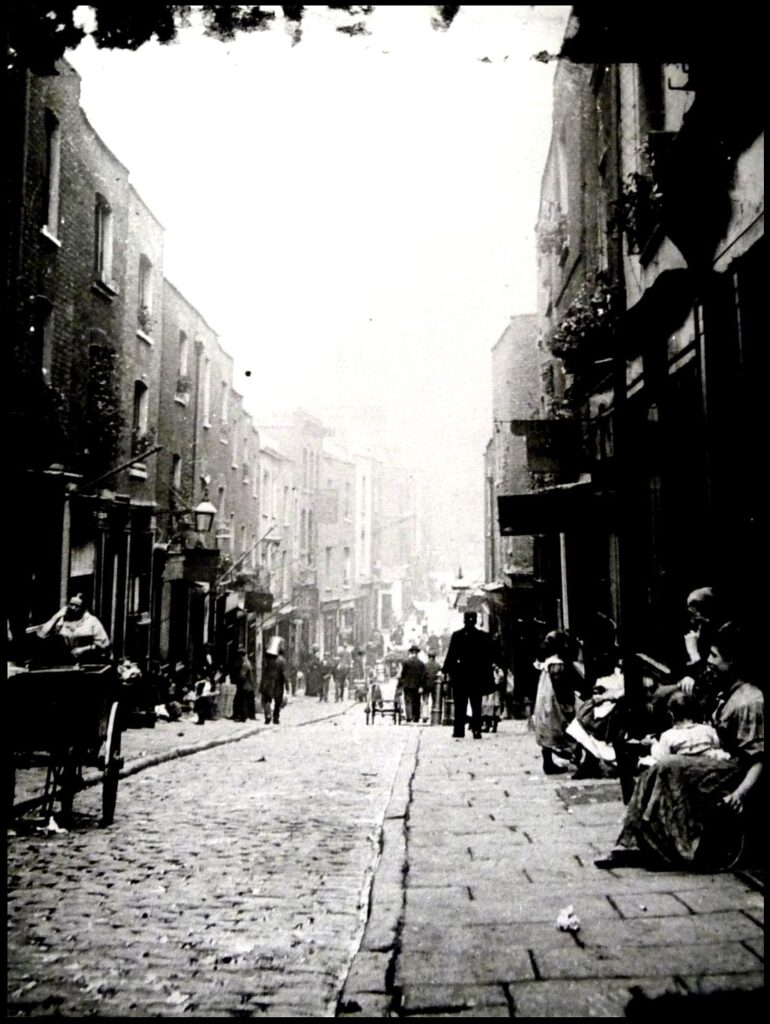
In the 18th and 19th centuries, this same district was notorious as one of the roughest and most dangerous corners of the capital. A world of rookeries, prisons and public scandals that fascinated everyone from Charles Dickens to the Victorian press.
The Dark Side of Clerkenwell walking tour invites you to peel back those layers and
explore the stories that polite history often left out. Over two hours, we wander through
alleys and courtyards where London’s underclass once lived, worked and fought to
survive. We meet thieves, reformers, radicals, paupers and the ordinary families caught
between punishment and poverty.
Some names are famous, others long forgotten but each reveals how the city’s darker side shaped the modern London we know. We begin with bearings and with a question. How did a parish of springs, monasteries and
healing wells become one of London’s most feared quarters by the 19th century?
Location is part of the answer. Clerkenwell’s story begins just outside the old City walls, beyond the
reach of its watchful authorities. That freedom attracted both opportunity and trouble. By
the time of the Industrial Revolution, the area had become a magnet for migrants seeking
work and a symbol of everything Victorian society feared about urban life: overcrowding,
disease, crime and dissent. Within walking distance of St Paul’s and the law courts, entire
streets were filled with cheap lodging houses, pubs and workshops, forming a dense,
unruly labyrinth where the police hesitated to go.
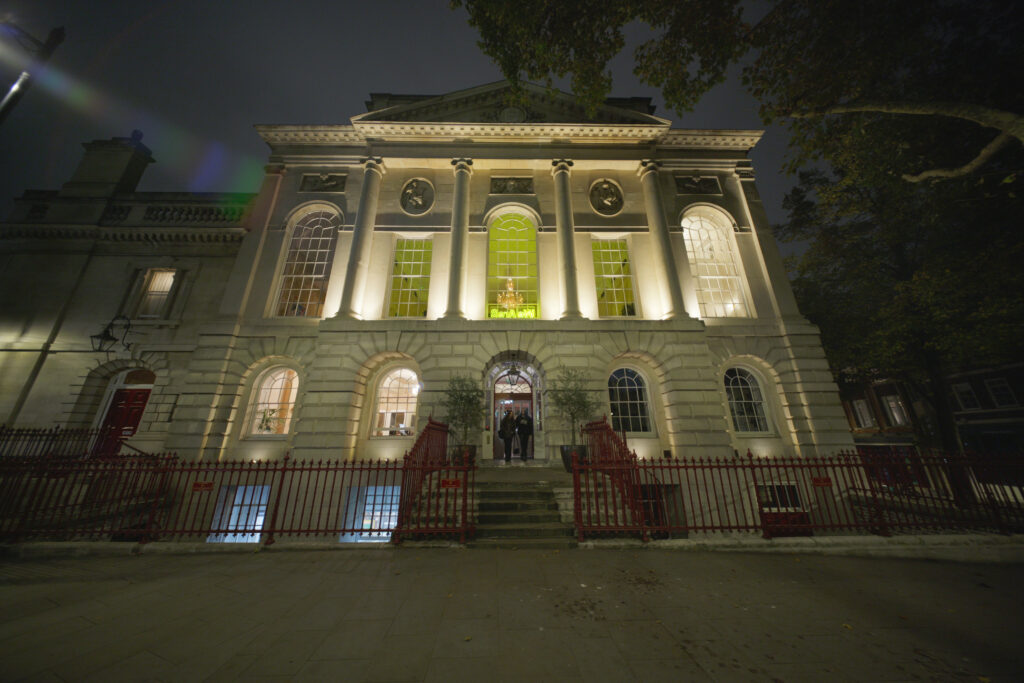
Our walk moves through these contrasts: the elegance of Georgian architecture and the
shadow of the gallows; the echo of church bells over what were once open sewers; the
voices of vendors, pickpockets and reformers rising together from the same ground. Along
the way, we uncover the institutions that defined Clerkenwell’s reputation — its prisons,
workhouses and its courthouse; places built to “improve” the poor but which often
deepened their suffering.
We also look at the social ideas that sustained those systems. Victorians believed that
hardship built character, and that fear was the best teacher. Nowhere tested that belief
more harshly than here. From the brutal treadmill of Coldbath Fields to the silence of the
workhouse classroom, punishment was designed not just to control bodies but to shape
morals. Yet even in those conditions, people resisted, through solidarity, protest, or simple
acts of kindness that broke through the cruelty.
Not all of Clerkenwell’s darkness was official. Its taverns and backstreets once offered a
different kind of theatre: bear-baiting pits, prize fights and street performances that drew
crowds from across London. In the early 20th century, the area became home to the
underworld figures who ruled London’s racecourses and nightclubs between the wars.
From medieval rioters to modern gangsters, Clerkenwell has always been a stage for
those living on the edge of respectability.
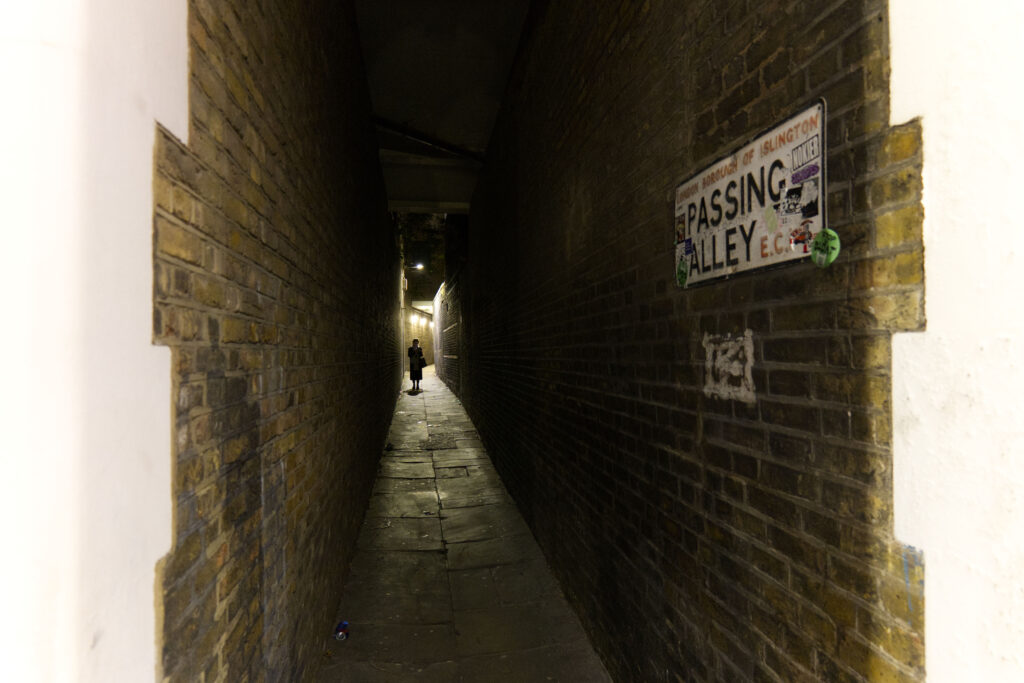
But The Dark Side of Clerkenwell isn’t just about crime and punishment. It’s also about
endurance; about the ordinary people who built communities amid chaos, who found
humour and hope in places others feared to enter. Every stop on the walk asks us to
imagine their world: the smells, the noise, the daily struggle to keep a roof overhead or a
child fed. It’s a reminder that history doesn’t only belong to the powerful; it’s written in the
lives of those who lived beneath them.
Today, Clerkenwell is almost unrecognisable. The rookeries have gone; the Fleet River
runs underground; the old prisons are now flats or offices. Yet the ghosts remain, if you
know where to look. Stand in certain corners after dark and you can still sense the old
boundaries; between law and lawlessness, poverty and pride, sin and survival.
The walk ends where light meets shadow: among the streets that inspired Dickens and the
reformers who fought to change them. What we discover is that the “dark side” isn’t only
about violence or vice; it’s about the human cost of progress, and how communities
remake themselves in the face of it.
So, lace up your boots, bring a torch, and join me on a journey through two hundred years
of hidden London. Together we’ll trace the narrow paths where the city’s conscience was
tested — and where, even in its darkest corners, humanity still found a way to shine.
Emanuela Aru is an Islington and Clerkenwell and History from Below guide.
Click here to book: https://www.eventbrite.com/e/the-dark-side-of-clerkenwell-walking-tour-tickets-1794374365029?aff=oddtdtcreator
You must be logged in to post a comment.